HV Electrical logo
Trusted UK-Wide Electrical Services

Reduce Costs & Carbon Footprint with Flat Roof Solar System

Flat Roof Solar Panel Installation In Cornforth

We Install Solar Panels On Flat Roofs Across Cornforth

Flat Roof Solar for Cornforth Commercial Properties

  • NICEIC Accredited
  • MCS Certified
  • NAPIT Approved
  • SafeContractor
Flat Roof Solar Panel Installation in Cornforth

Flat Roof Solar Panel Installation

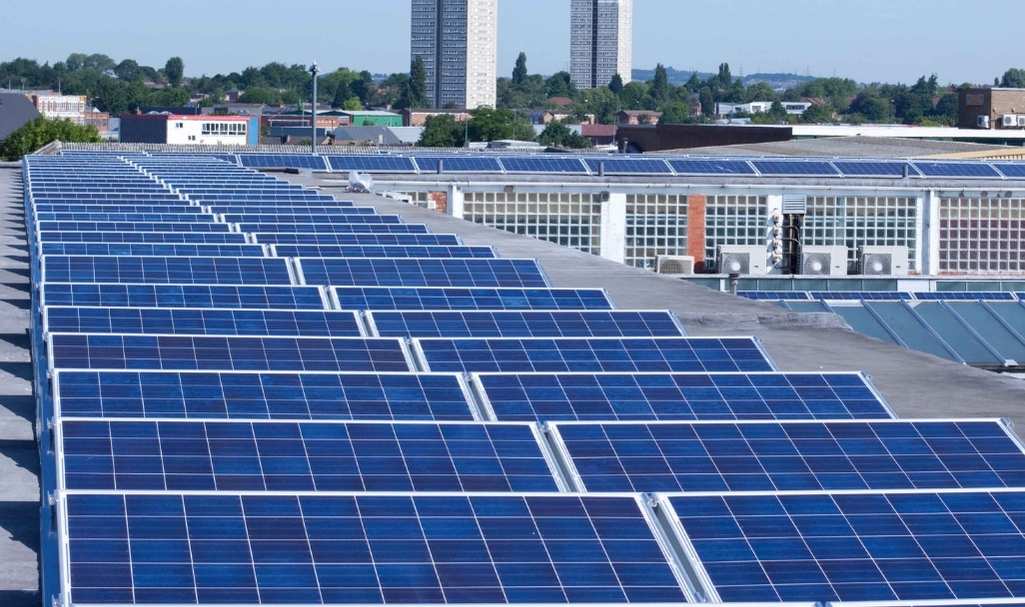
Flat roofs present unique advantages for generating solar energy. At HV Electrical Services, we specialise in flat roof solar panel installation in Cornforth, transforming underused rooftop space into valuable energy-producing assets. This comprehensive guide covers everything property owners need to know about installing solar panels on flat roofs across Cornforth.

Why Choose Solar Panels for Your Flat Roof?

Many property owners in Cornforth overlook their flat roof as a potential site for renewable energy generation. These surfaces offer distinct benefits over traditional installations. The easier access typically means faster completion and reduced installation labour costs compared to working on sloped surfaces.

Flat roof solar panels provide practical advantages beyond installation convenience. The panels actually shield your existing roof from direct UV exposure, reducing weathering. They also help lower cooling costs by absorbing sunlight that would otherwise heat the building. Commercial properties with large flat roof systems can offset significant energy bills, with some generating enough to power entire facilities.

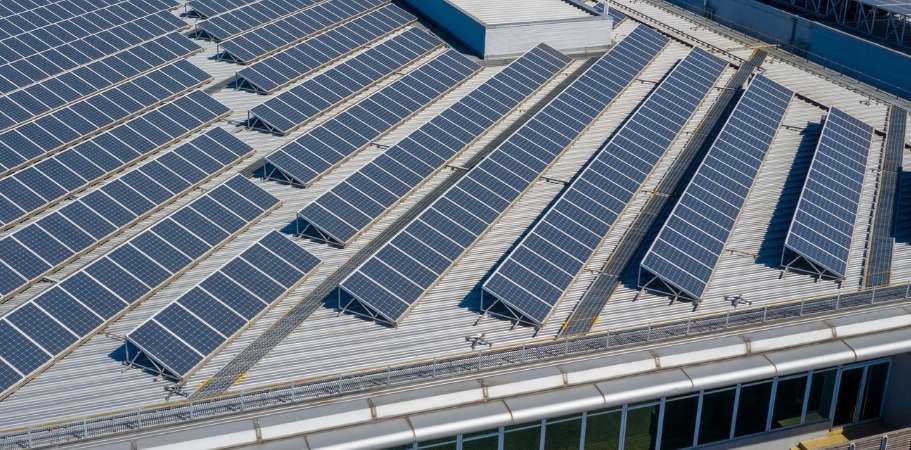
One key benefit: flat roof solar systems can be tilted at the best angle for your location, often achieving up to 20% higher efficiency than panels fixed at the natural slope of a pitched roof. This flexibility represents one of the unique advantages of flat roof installations.

Why Choose Solar Panels for Your Flat Roof
Trusted UK-Wide Electrical Services

Need Immediate Assistance?

Call us now for emergency electrical services or to discuss your project

Understanding Flat Roof Solar Systems

Understanding Flat Roof Solar Systems

Installing solar panels on flat surfaces requires different techniques than standard pitched roof systems. The lack of natural slope means panels must be mounted on frames creating proper tilt angles for maximum solar capture.

How Flat Roof Mounting Systems Work

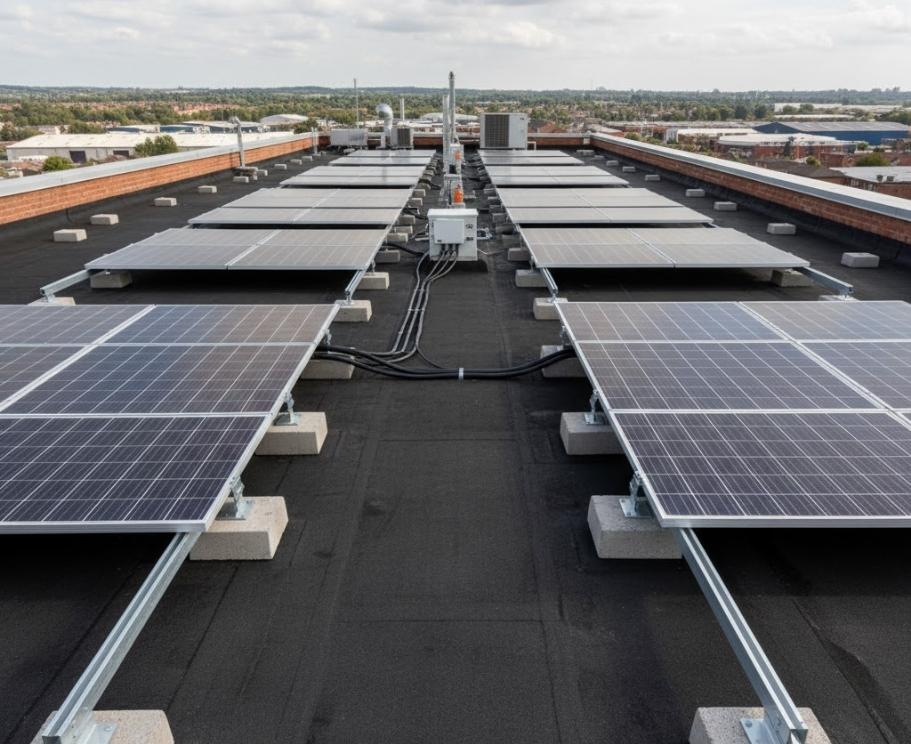
Most installations use ballasted systems or penetrating mounts. Ballasted mounting systems use weighted bases to hold panels without drilling into the roof surface. This protects your structure and preserves most roof warranties. The ballast, typically concrete blocks or gravel-filled trays, provides stability against wind forces and high winds without requiring holes in your waterproof membrane.

Penetrating mounts, when necessary, involve fixing brackets directly to the structure. We take extreme care to prevent roof leakage and water ingress. Every penetration receives proper sealing and flashing to maintain integrity.

Types of Flat Roof Mounting Systems

Several flat roof mounting systems suit different building types and requirements. Free standing systems offer excellent flexibility, positioning panels in optimal orientations regardless of building layout. These work particularly well on larger commercial buildings where you need to prevent shading across multiple rows.

Ballasted flat roof mounting systems remain popular because they require no roof penetrations. The added weight keeps everything secure whilst preserving the existing roof structure. For buildings with weight restrictions, lighter penetrating systems provide stability without excessive loads.

Some flat roof installations use adjustable tilt angle systems, letting you set panels at the optimal position for year-round performance. This flexibility helps maximise energy output throughout changing weather patterns.

Why Choose HV Electrical Services?

Professional electrical contractors deliver more than repairs. We provide solutions that protect your property and ensure long-term reliability.

70%

Of businesses experience downtime
from electrical issues

40%

Energy cost reduction with LED
upgrades

30%

Equipment efficiency loss from poor
wiring

  • Fully Accredited

    Our panel of elecricians are NICEIC, MCS, NAPIT, HIES and SafeContractor approved. All work meets recognised industry standards.

  • Safety First

    Electrical faults cause 70% of house fires. Our inspections and maintenance keep you protected.

  • Reliable Service

    We show up when we say we will. No delays, no excuses. Your time matters to us.

  • Experienced Team

    Years of expertise across domestic, commercial, and industrial electrical work.

  • Quality Workmanship

    Professional installation saves money long-term. We get it right the first time, every time.

  • UK-Wide Coverage

    Operating throughout England, Scotland, and Wales. Professional service wherever you need us.

Planning Your Flat Roof Solar Installation

Proper planning ensures your solar system performs well for decades. Several factors determine whether your flat roof suits solar panel installation and what configuration works best.

Assessing Your Roof Structure and Condition

Before we install solar panels, we thoroughly evaluate structural capacity and roof condition. The structure must support the additional weight of panels, mounting equipment, and ballast. A structural engineer may verify load-bearing capacity, particularly for older buildings in Cornforth.

Roof condition plays a vital role in timing. If your membrane nears replacement, doing this before adding panels makes sense. Solar arrays typically last 25 to 30 years, so you want a roof warranty extending close to that timeframe. Most roof warranties remain valid with proper installation, but confirm this beforehand.

The roof surface needs inspection for existing damage. We examine for cracks, ponding water, deteriorating membranes, or structural issues. Even a slight pitch for drainage affects system design. Addressing problems before installation prevents costly repairs later when removing and reinstalling panels would multiply costs.

Space Requirements and Panel Layout

Your available roof space determines system size and energy output. Flat roof installations need sufficient area for panels plus access pathways for maintenance. Building regulations typically require clear zones around edges and equipment access points.

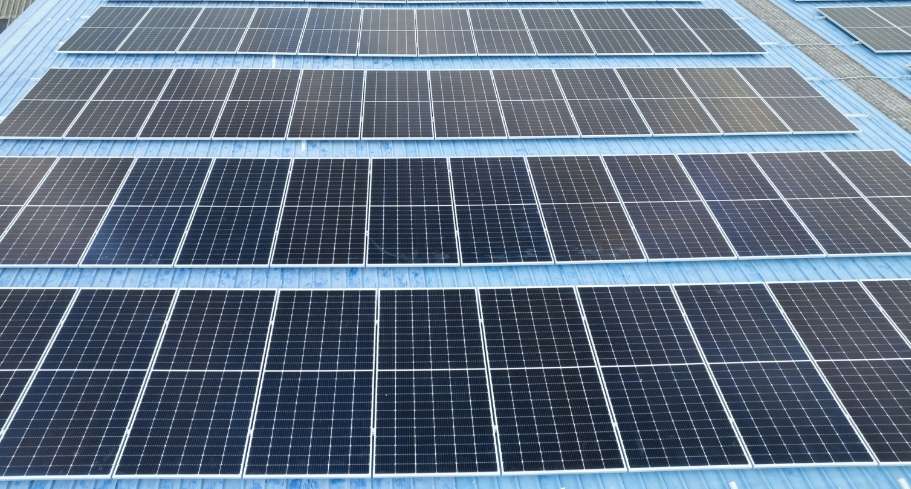
Panel positioning affects performance significantly. We design layouts to minimise shading from nearby buildings, chimneys, ventilation equipment, or the panels themselves. When installing more panels in multiple rows, careful spacing prevents shadows from one row affecting those behind.

The more space available, the greater your system capacity. A typical residential flat roof solar system might accommodate 8-12 panels on flat roofs, whilst commercial buildings with extensive roof space can host arrays producing substantial power.

Planning Permission and Building Regulations

Most flat roof solar installations in Cornforth fall under permitted development rights, meaning you typically do not need planning permission. However, certain situations require approval. Listed building status, properties in conservation areas, or installations visible from street view may need consent from local planning authorities.

Building regulations compliance remains essential. Electrical work must meet current standards, structural modifications need approval, and fire safety requirements apply. At HV Electrical Services, we ensure compliance with all regulations, handling notifications to building control.

Properties in Scotland and Northern Ireland have different requirements, so always check what applies to your location. We help you understand regulations and manage approvals when needed.

Planning Your Flat Roof Solar Installation
Trusted UK-Wide Electrical Services

Electrical Emergency? We're Available 24/7

Don't wait when safety is at risk. Our emergency electricians respond quickly to keep you safe.

Rapid Response
Average response time under 2 hours for emergencies
Expert Diagnosis
Qualified electricians with years of experience
Flat Roof Solar Panel Installation Process

Flat Roof Solar Panel Installation Process

Understanding installation helps you prepare properly. A typical project takes one to three days, depending on system size and complexity, making it less time consuming than many property improvements.

Pre-Installation Assessment

We start with a thorough site survey. Our panel of MCS accredited installers examine roof structure, measure available space, assess shading patterns, and check electrical system capacity. This survey informs our detailed design proposal, showing panel placement, expected energy output, and total costs.

We also discuss your energy consumption patterns and goals. Understanding how you use electricity helps us design a solar system matching your needs. Some clients want maximum self-consumption, others prioritise export income, and many seek the best balance.

Mounting and Installation

Installation begins with preparing the roof surface and positioning mounting systems. For ballasted configurations, we distribute weight evenly to avoid overloading any single point. Penetrating systems require careful drilling and sealing at each fixing point, with proper flashing to prevent water ingress issues.

Once mounts are secure, we attach panel frames and make adjustments to achieve the correct tilt angle. Most UK installations use angles between 30 and 40 degrees for optimal year-round solar capture. Panels facing due south typically generate most energy, though east-west orientations spread production more evenly throughout the day. For some properties, due south orientation proves impractical, so we optimise based on your specific roof layout.

After mounting all panels, we connect electrical components. This includes wiring panels together, installing inverters to convert DC power to usable AC electricity, and connecting to your consumer unit. Solar battery storage integration happens at this stage if you include battery storage for energy independence.

System Testing and Commissioning

Before completing installation, we test the entire solar pv system thoroughly. This includes checking all electrical connections, verifying panel output matches expectations, and ensuring safety systems function correctly. We also explain how to monitor performance through app-based tools showing real-time generation and historical data. Many clients find a solar calculator helpful for tracking their energy efficiency improvements.

Our panel of SafeContractor approved electricians maintain rigorous health and safety standards throughout every installation. Our team follows proper procedures for working at height, electrical safety, and equipment handling.

Trusted UK-Wide Electrical Services

Need Electrical Work? We're Here to Help

From simple repairs to complex installations, our qualified electricians deliver professional service you can trust.

Free Quotations
Same-Day Service Available
Fully Insured Work

Key Considerations for Flat Roof Solar Systems

Several technical and practical factors influence solar panel systems performance and longevity.

Tilt Angle and Orientation

The tilt angle directly affects how much sunlight panels capture. Panels lying completely flat collect less energy than those tilted optimally. The ideal angle for UK installations typically ranges from 30 to 40 degrees.

Orientation matters significantly. Panels facing due south receive maximum sunlight in the northern hemisphere. However, east-west configurations work well for flat roofs, particularly when high electricity usage occurs in mornings and evenings rather than midday. Split arrays provide more consistent generation throughout the day.

Wind Loading and Structural Integrity

Wind forces, especially high winds, create uplift that can damage poorly secured systems. Proper mounting design accounts for local wind conditions, building height, and roof edge effects. Ballasted systems need sufficient weight to resist uplift, whilst penetrating systems require strong structural connections.

Building codes specify wind force requirements based on location and building characteristics. We calculate loads according to these standards, ensuring your solar installation remains secure in all weather conditions.

Drainage and Water Management

Flat roofs need proper drainage to prevent water ponding. Solar panel installations must not interfere with existing drainage patterns. Panel supports should allow rainwater to flow freely beneath them toward drains, and even a slight pitch in the roof surface helps with this.

Some installations include gaps between rows to facilitate drainage. This spacing also allows roof maintenance and panel cleaning when needed. We design every system to work with your roof's drainage plan.

Key Considerations for Flat Roof Solar Systems
Trusted UK-Wide Electrical Services

Need Immediate Assistance?

Call us now for emergency electrical services or to discuss your project
Costs and Financial Considerations

How Much Does Flat Roof Solar Panel Installation Cost In Cornforth?

Understanding complete costs helps evaluate return on investment and make budget-appropriate decisions.

Installation Costs Breakdown

Flat roof solar installation costs in Cornforth vary based on system size, equipment quality, and site complexity. A typical residential installation might range from £4,000 to £8,000 for a 4kW system, whilst larger commercial arrays can cost £15,000 or more. These figures include panels, mounting equipment, inverters, and installation labour costs for complete setup.

Labour costs for flat roofs often prove lower than pitched roofs because of easier access and simpler mounting. However, if your roof needs structural reinforcement or membrane replacement beforehand, these works increase total investment.

High-quality solar panels and inverters cost more initially but provide better performance and longer warranties. We help you balance upfront investment against long-term returns, recommending equipment suited to your budget and expectations.

Return on Investment

Most residential flat roof solar systems repay their cost within 7 to 12 years through reduced energy bills and export payments. You can save hundreds of pounds annually on electricity costs. Commercial installations often achieve faster payback because of higher energy consumption and better economies on larger systems.

Several factors influence returns. Your current electricity rates matter significantly. The amount of energy you use during daylight affects how much generated power you consume rather than export. Smart Export Guarantee payments add income from surplus generation.

Pairing solar panels with a solar battery extends payback periods but increases overall savings by letting you use stored power during peak tariff times or evenings. This becomes particularly valuable as electricity prices continue rising.

Maintenance and Long-Term Costs

Solar panels require minimal maintenance. Annual inspections ensure everything functions correctly and identify developing issues early. Panel cleaning may be necessary if heavy soiling reduces output, though rain typically handles this naturally on tilted systems.

Most solar panels carry 25-year performance warranties, whilst inverters typically have 10 to 15-year warranties. Budget for potential inverter replacement during your system's lifetime. Monitoring systems alert you to performance drops indicating problems requiring attention.

Trusted UK-Wide Electrical Services

Need Immediate Assistance?

Call us now for emergency electrical services or to discuss your project

Common Challenges and Solutions

Every flat roof solar project faces potential obstacles. Knowing these in advance helps prepare appropriate solutions.

Dealing with Roof Warranties and Insurance

Many roof warranties include clauses about modifications. Contact your roofing contractor before installing to confirm warranty implications. Some manufacturers require specific installation methods or approve certain mounting systems over others. Most roof warranties remain valid with proper installation, but verification protects your investment.

Insurance coverage needs updating to reflect your installation. Most home insurance policies cover solar panels as building coverage, but check your specific policy. Some insurers require notification, whilst others automatically include renewable energy systems.

Shading and Efficiency Optimisation

Even partial shading significantly impacts output. Trees, neighbouring buildings, chimneys, and ventilation equipment create shadows reducing generation. We carefully map shading patterns throughout the year, positioning panels to prevent shading wherever possible and minimise shading impacts on overall performance.

When complete shade avoidance proves impossible, optimisers or micro-inverters help minimise losses. These devices let shaded panels operate independently rather than dragging down performance of an entire string. This technology makes flat roof solar a viable option even for challenging sites with unavoidable shading.

Access and Maintenance Planning

Flat roof solar installations need clear access routes for maintenance and future roof work. Building regulations require safe access to all roof equipment. We design layouts preserving access pathways and ensuring future roof maintenance does not require complete system removal.

Regular maintenance keeps systems performing well. This includes checking electrical connections, inspecting mounting security, and cleaning when necessary. Most maintenance involves simple visual inspections rather than complex procedures.

Common Challenges and Solutions
Trusted UK-Wide Electrical Services

Electrical Emergency? We're Available 24/7

Don't wait when safety is at risk. Our emergency electricians respond quickly to keep you safe.

Rapid Response
Average response time under 2 hours for emergencies
Expert Diagnosis
Qualified electricians with years of experience
Solar Thermal Panels vs Solar PV

Solar Thermal Panels vs Solar PV

When considering flat roof installations, some property owners ask about solar thermal panels alongside traditional solar pv panels. Solar thermal panels heat water directly using sunlight, whilst solar pv systems generate electricity. The choice depends on your energy needs.

To mount solar thermal panels requires similar structural considerations as PV installations. However, thermal systems have different plumbing requirements and typically serve specific hot water needs rather than general electricity generation. Most residential and commercial properties in Cornforth prioritise solar pv panels for their versatility in offsetting electricity costs across all uses.

Choosing the Right Solar Installation Company

Selecting qualified solar panel installers protects your investment and ensures proper performance. Several credentials and practices separate professional installers from less capable providers.

Qualifications and Accreditations

MCS accreditation remains the gold standard for installers in the UK. This certification demonstrates compliance with recognised quality standards for renewable energy installations. Only MCS accredited installers can help you access certain government incentives and export payment schemes.

Look for electricians with proper qualifications and insurance coverage. SafeContractor approval indicates robust health and safety procedures, particularly important when working at height. Professional installers carry adequate insurance protecting you against damage or injuries during installation.

Experience with flat roof installations specifically matters. Pitched roof systems experience does not automatically translate to flat roof expertise. Ask potential installers about their project history and request references from similar installations.

Choosing the Right Solar Installation Company
Flat Roof Solar for Commercial Buildings

Flat Roof Solar for Commercial Buildings

Commercial buildings and commercial properties with large flat roof space in Cornforth present excellent opportunities for substantial solar installations. These properties often have significant daytime energy consumption, making solar pv system installations particularly cost-effective.

Large-scale installations on commercial properties can accommodate hundreds of panels on flat roofs, generating enough power to dramatically reduce operating costs. The combination of high energy consumption during business hours and generous roof space makes commercial flat roof solar installations highly attractive investments.

Trusted UK-Wide Electrical Services

Need Electrical Work? We're Here to Help

From simple repairs to complex installations, our qualified electricians deliver professional service you can trust.

Free Quotations
Same-Day Service Available
Fully Insured Work

HV Electrical Services: Your Flat Roof Solar Experts

We bring years of experience and professional accreditations to every installation. Our panel of MCS accredited installers meet the highest standards for renewable energy systems. Our panel of electricians SafeContractor approval demonstrates commitment to health and safety compliance, protecting both our team and your property.

Our comprehensive service covers everything from initial assessment through installation and ongoing support. We handle planning requirements, building regulation notifications, and all necessary electrical work. Every solar system receives thorough testing and commissioning, with clear instructions on operation and monitoring.

Quality equipment backed by strong warranties forms the foundation of our installations. We recommend products based on performance and reliability, helping you understand trade-offs between different options. Our goal is delivering systems performing excellently for decades.

HV Electrical Services Your Flat Roof Solar Experts
Trusted UK-Wide Electrical Services

Need Electrical Work? We're Here to Help

From simple repairs to complex installations, our qualified electricians deliver professional service you can trust.
Free Quotations
Same-Day Service Available
Fully Insured Work
Get Your Free Quote for Flat Roof Solar Installation from HV Electrical Services

Get Your Free Quote for Flat Roof Solar Installation from HV Electrical Services

Converting your flat roof into an energy-generating asset provides decades of reduced bills and environmental benefits. The combination of government incentives, falling equipment costs, and rising electricity prices makes this an excellent time to invest.

At HV Electrical Services, an experienced electrical services company, we make the process straightforward. Our team handles technical challenges, regulatory requirements, and practical installation details. We help you understand whether solar installation represents a viable option for your property and design systems maximising your returns.

With proper planning and professional installation, your flat roof solar system in Cornforth will deliver reliable, clean energy for 25 to 30 years or more. The investment typically repays itself within a decade, after which you benefit from significantly reduced energy bills and a smaller carbon footprint.

Ready to explore what solar can do for your property? Contact HV Electrical Services today for a free quote and site assessment. Let us show you how flat roof solar panels can transform your energy costs and reduce environmental impact.

Trusted UK-Wide Electrical Services

Ready to Get Started?

Don't let electrical issues wait until they become emergencies. Get your free, no-obligation quote today and discover why customers across the UK trust us for electrical work they can rely on.

Available 24/7 for Emergencies
Response within 2 hours

Request Your Free Quote


Full Electrical and Renewable Services for 
Homes and Businesses

Our services

Copyright © 2026 HV Electrical Services All rights reserved.